City mental health counseling Astoria
City Mental Health Counseling Astoria New York operates as an outpatient clinic. Among 192 SAMHSA-listed facilities across New York City, it is one. Appointments can be held in English, Bengali, and Mandarin.


City Mental Health Counseling serves individuals and couples from many backgrounds, with a deliberate effort to welcome people in LGBTQ+ and BIPOC communities. The clinic describes its care as culturally aware and grounded in methods that have been studied and practiced widely.
Sessions are shaped around the person in the room. Clinicians draw on internal family systems, attachment-based ideas, and a person-centered stance, and the center notes that some of its work brings in social justice-focused perspectives. Couples work leans mainly on the Gottman Method to improve communication and closeness.
Substance use and co-occurring disorders are also treated at this clinic. The clinician shapes care around the diagnosis and needs presented, weaving in practical skills and relationship-building along the way. Two photos on file reveal a modest outpatient space, not a residential campus.
City mental health counseling Astoria
At city mental health counseling Astoria, programs center on outpatient care and include individual, couples, and online therapy. A frequent program length of 30 days is listed, and the approaches used include evidence-based, individualized, strengths-based, and trauma-informed work. When you choose city mental health counseling Astoria outpatient services, the 30-day typical program length offers a clear starting frame, so it may suit someone who needs weekly sessions rather than round-the-clock care.
Approaches offered here include cognitive behavioral therapy, dialectical behavior therapy, exposure therapy, internal family systems, narrative therapy, and solution-focused work aimed at goals. Trauma-focused therapy is listed too. For New York City residents seeking structured therapy, this clinic offers CBT, DBT, and trauma-specific counseling, which may suit anxiety, depression, OCD, PTSD, or substance use concerns.
- Trauma Informed
- 1-on-1 Counseling
- Narrative Therapy
- Online Therapy
- Dialectical Behavior Therapy
- Exposure Therapy
- Evidence-Based
- Individual Treatment
- Personalized Treatment
- Cognitive Behavioral Therapy
Whom this program is designed for
- Adults and couples seeking outpatient mental health counseling in Astoria.
- People from LGBTQ+ and BIPOC communities looking for culturally aware care.
- People facing anxiety, depression, bipolar disorder, OCD, PTSD, trauma, ADHD, or problems with gambling.
- People with substance use concerns involving alcohol, cocaine, opioids, or nicotine, including co-occurring disorders.
- Men and women, and couples, who prefer weekly therapy over residential care.
Size, languages, and setting in Astoria
This clinic began in 2024 and runs as an outpatient office located at 24-41 31st St in Astoria, NY 11102. Because it is not residential, the listing shows no beds or live-in amenities; you receive care in scheduled sessions, and online therapy is an option. Clinicians speak Bengali, English, and Mandarin. This Astoria clinic, established in 2024, provides sessions in Bengali, English, and Mandarin, which can help multilingual households locate care near home.
Paying for sessions in Astoria
The payment option shown for this clinic is cash pay rates. The listing names no insurance networks, no Medicaid participation, and no sliding-scale details, so call to ask the price of a session and whether any coverage applies. If you plan to use insurance, then verify coverage directly with the clinic before your first appointment, since listed payment options can change and the helpline cannot confirm benefits for the center.
Questions to raise before admission
- What does a first session look like, and how are goals set for the 30-day typical program length?
- Which therapist will I see, and what is their training in the specific therapy I need?
- Are sessions in person, online, or both, and what does the cash pay rate cover?
- How does the clinic handle mental health concerns and substance use that co occur?
- What can I do if my needs end up being more intensive than outpatient care?


More centers you can compare
-
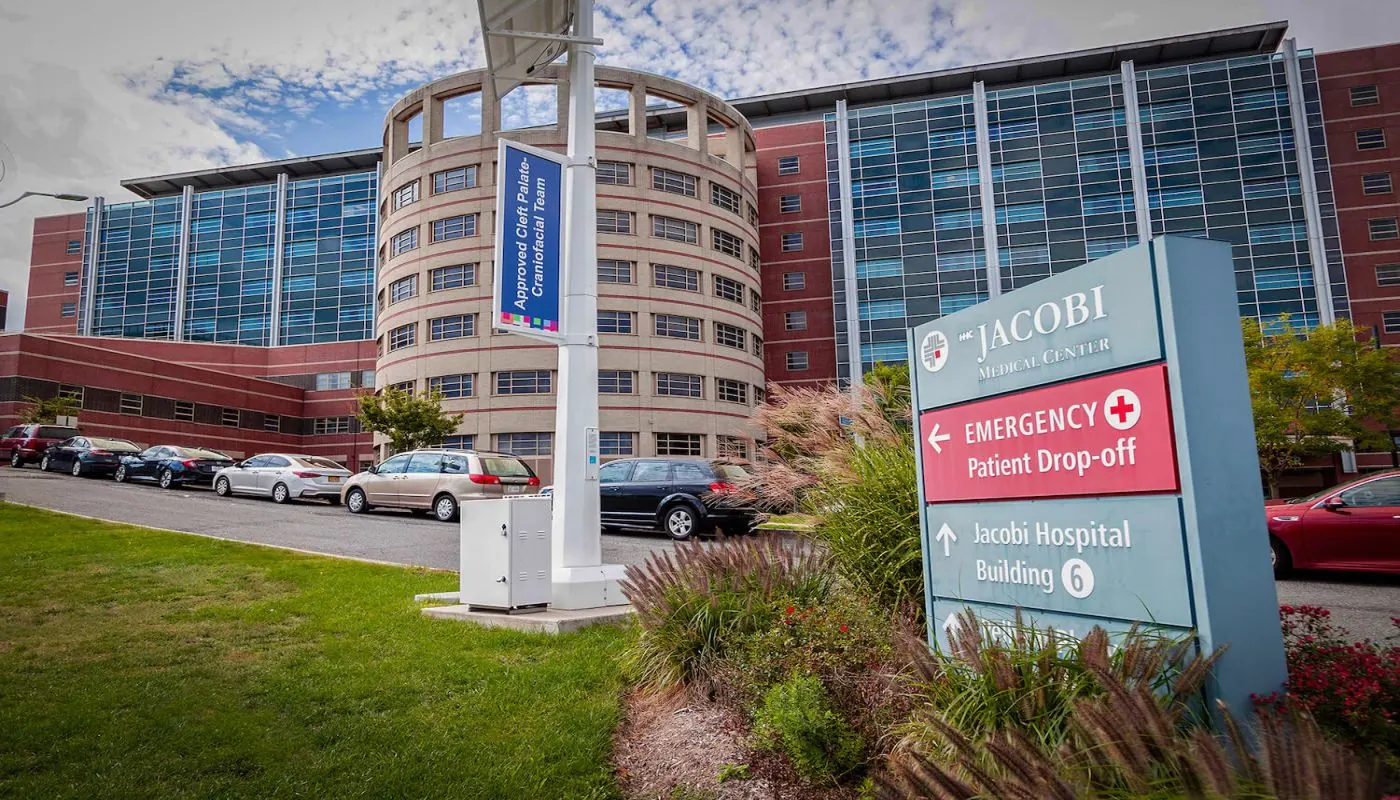
BronxNY
NYC Health + Hospitals
4.1/519 Google reviews
Typical stay 5 days
NYC Health + Hospitals Bronx provides detox and outpatient care for mental health and substance use issues.
- Detox
- Outpatient
Joint Commission accreditation View center
-
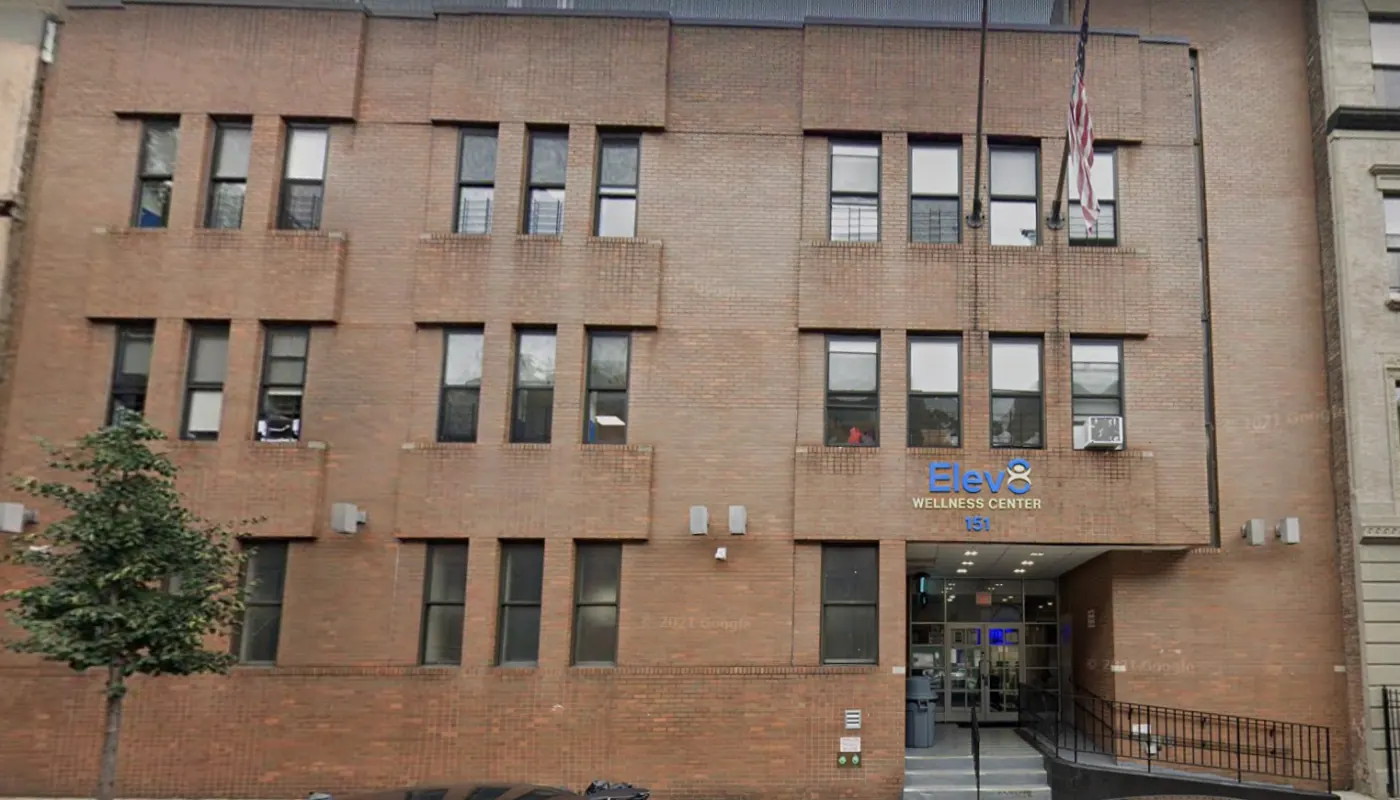
New YorkNY
Elev8 Centers of New York
4.6/5109 Google reviews
Typical stay 30 days
Elev8 Centers of New York is a detox and residential program in Manhattan.
- Residential Rehab
- Detox
-

BrooklynNY
Ember Health
5.0/55 Google reviews
Typical stay 90 days
Ember Health Brooklyn is a rehab center in New York City that focuses on depression.
-

New YorkNY
William Alanson White Institute
4.2/59 Google reviews
Typical stay 30 day
On the Upper West Side, William Alanson White Institute Clinical New York provides outpatient therapy.
- Co-Occurring Mental Health
- Outpatient
-
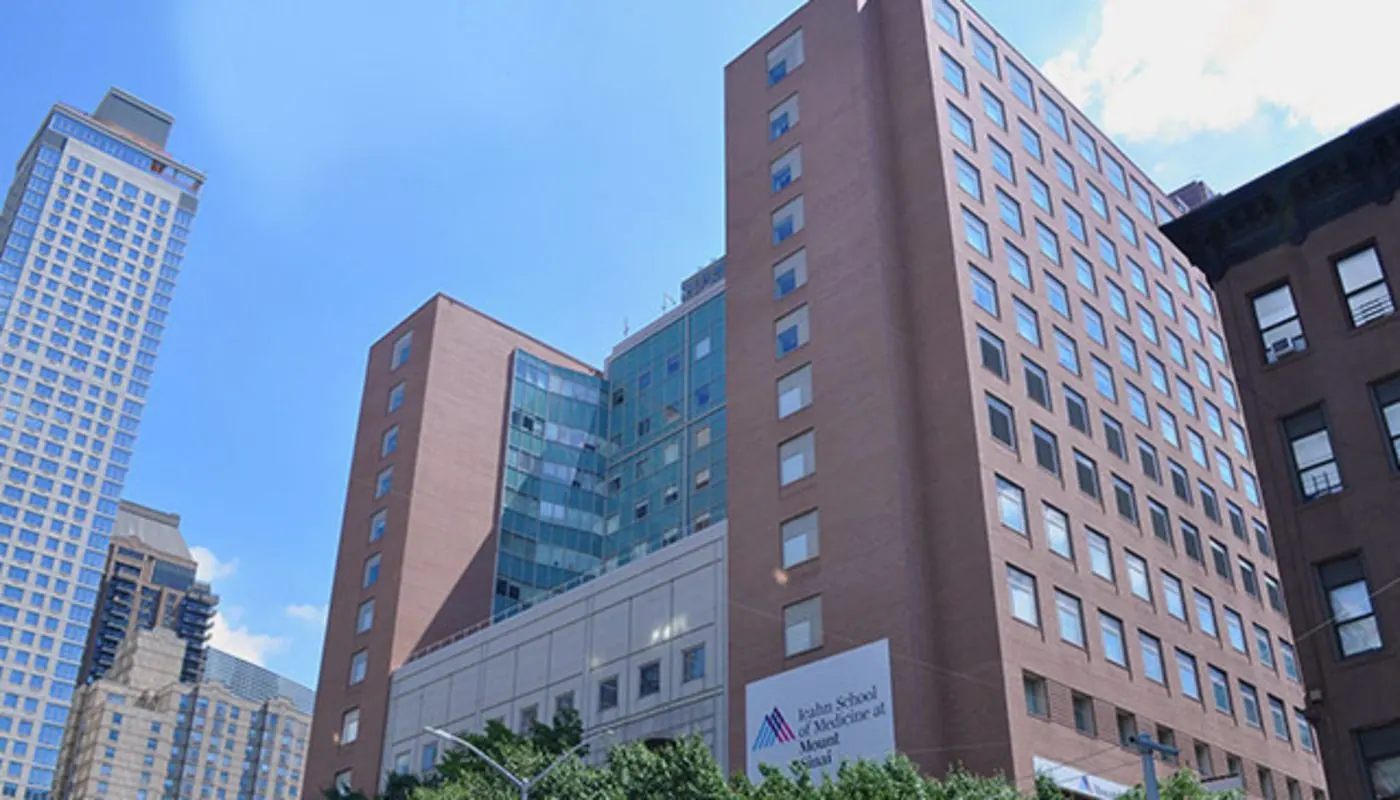
New YorkNY
Addiction Institute at Mt Sinai West
3.1/520 Google reviews
Typical stay 7 days
This page covers the Addiction Institute at Mt Sinai West Inpatient Detoxification Unit on 10th Avenue.
- Residential Rehab
- Detox
- Outpatient
Joint Commission accreditation View center
-
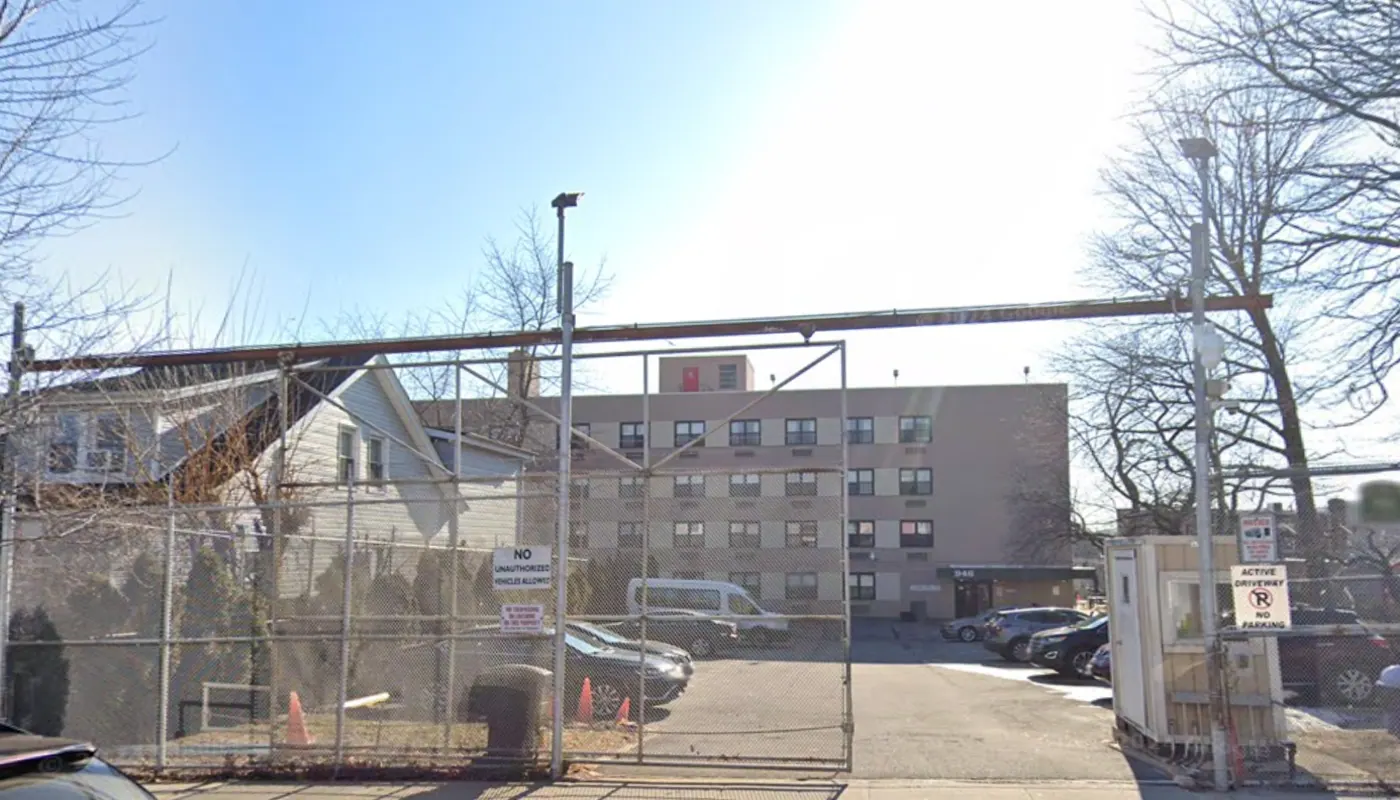
BronxNY
Camelot
Typical stay 30 days
Camelot - Williamsbridge Family Inn Bronx is an outpatient program on East 211th Street.
- Outpatient
Questions people ask
Does City Mental Health Counseling Astoria New York take insurance?
The payment option shown in the listing is cash pay rates, and no insurance networks or Medicaid participation are named. That does not rule out coverage, only that the directory does not confirm it. Ask the clinic directly about your plan and what each session is expected to cost. In New York City, where 192 facilities are listed, the helpline can help you weigh other SAMHSA listed options.
What types of therapy does this Astoria clinic offer?
Listed services include individual counseling, cognitive behavioral therapy, dialectical behavior therapy, narrative therapy, internal family systems, exposure therapy, solution-focused therapy, trauma-specific therapy, and online therapy. Approaches include evidence-based, individualized, strengths-based, and trauma-informed care. Couples counseling draws mainly on the Gottman Method. The clinic opened in 2024 and states a typical program length of 30 days for outpatient care.
How long does outpatient care usually last for people?
The clinic gives 30 days as the typical program length, though outpatient therapy may continue longer depending on need. Because care here is outpatient, you attend scheduled sessions and return home afterward. If a higher level of care fits, such as inpatient or detox, ask for a referral. Across New York City, 192 facilities are listed on SAMHSA FindTreatment.gov, spanning many levels of care.
Does the clinic treat substance use and mental health together?
Yes. Co-occurring disorders and substances including alcohol, cocaine, opioids, and nicotine are addressed in the listing, along with conditions such as anxiety, depression, and PTSD. Treatment is personalized to the diagnosis. Alcohol or benzodiazepine withdrawal should be overseen by a medical team, since those withdrawals can be dangerous. Should a higher level of care be needed, the helpline can link you with licensed providers.
What languages are spoken at this Astoria clinic?
Bengali, English, and Mandarin are the languages listed here. Multilingual support can help people who find it easier to discuss personal matters in their first language. If you need a particular language, call ahead to confirm which clinician is available on which days. The helpline can also help you find other SAMHSA-listed facilities in New York City offering the languages you need.
Is this clinic a good fit for someone who drinks heavily or uses opioids?
Substance use concerns treated here include alcohol, opioids, cocaine, and nicotine, and co-occurring disorders are addressed as well. Care is outpatient, so it may suit someone who does not need 24-hour monitoring. When withdrawal risk is a concern, a clinician should assess whether a more intensive level of care is needed first. The helpline can help you check which level of care matches your situation.