Intensive outpatient program New York City
An intensive outpatient program offers structured treatment while you live at home. In New York City, 66 facilities list IOP services on SAMHSA FindTreatment.gov. This guide helps you compare options and decide your next step.
- programs in New York City
- 66
- take Medicaid
- 56
- use private coverage
- 59
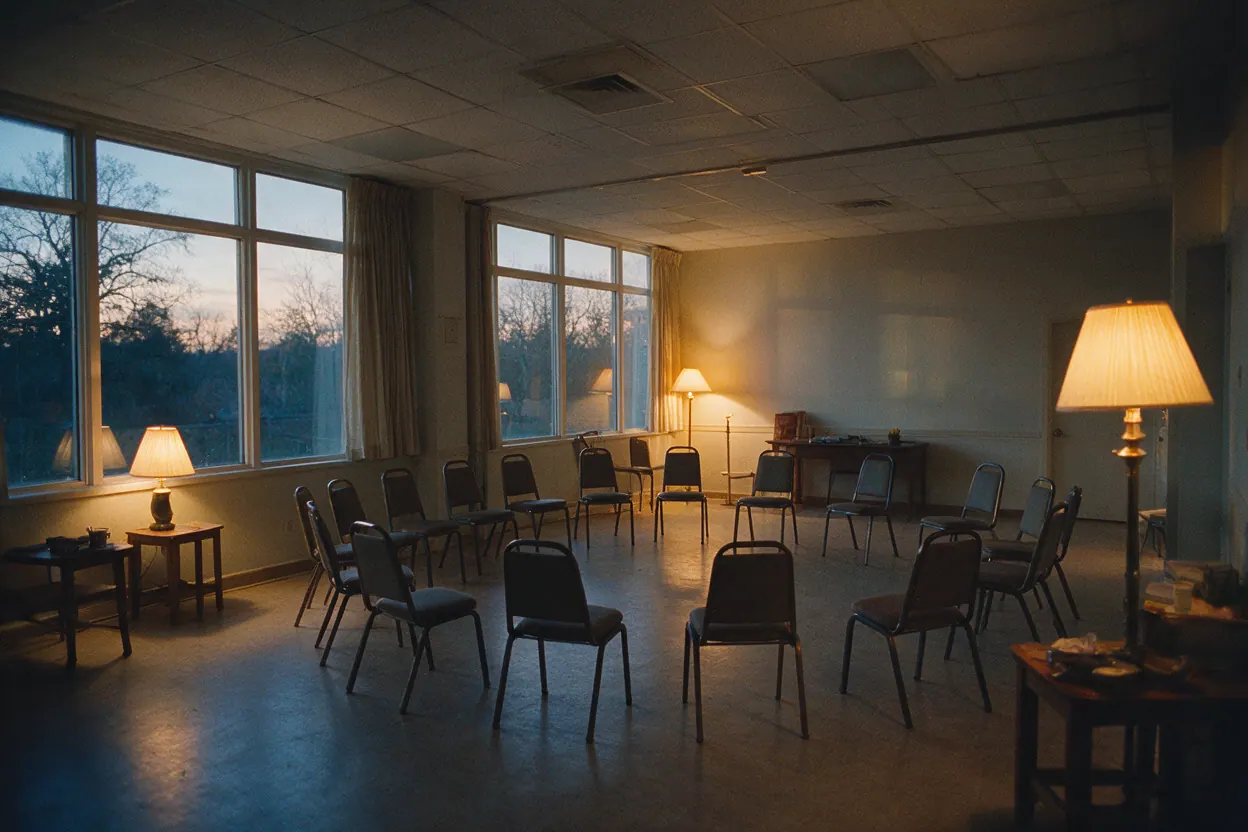
For people with a substance use disorder who need more than weekly counseling but do not require 24-hour supervision, an intensive outpatient program, or IOP, is a level of care. Sessions typically run several hours daily, three to five days weekly, and may include group therapy, individual counseling, family work, and medication management. It is not a place for detox; if you need withdrawal management, medical detox is a separate step. IOP is designed to fit around work, school, or caregiving, and many programs offer evening or morning tracks. In New York City, 63 of the 66 listed IOP facilities offer telehealth, which helps when travel is a barrier.
A typical day in IOP starts with a check-in and goal setting, then moves into a group session focused on coping skills, relapse prevention, or dual diagnosis topics. You might have an individual session with a counselor later in the week and a psychiatric consultation if medication is part of your plan. Programs often last several weeks to a few months, and the schedule steps down as you gain stability. Some people attend IOP after inpatient or residential treatment, while others start there directly. The focus is practical: building routines, understanding triggers, and connecting with ongoing support like mutual aid groups or outpatient counseling.
What to expect at an IOP
- 1
Initial assessment
A licensed clinician reviews your substance use, mental health history, and living situation and then recommends a level of care. We do not diagnose; the program performs the clinical assessment. Bring insurance information and any prior treatment records if you have them.
- 2
Schedule and agreement
You agree on a schedule, usually several hours a day for a set number of weeks. Ask about morning, evening, or telehealth options. If you work, confirm the program can provide documentation for your employer if needed.
- 3
Groups and individual sessions
Most of your time is in group therapy, with individual counseling and psychiatric care added as needed. Topics include coping skills, relapse prevention, and dual diagnosis support. Attendance is tracked, and the program may adjust intensity based on your progress.
- 4
Step-down planning
As you stabilize, the program helps you transition to less intensive outpatient care or ongoing support. If you need medication for opioid use disorder, 165 facilities in New York City offer it, though not all are IOPs. Ask how the program coordinates with your prescriber.

IOP facilities in New York City
According to SAMHSA FindTreatment.gov, New York City has 192 facilities, and 66 of them list intensive outpatient services. Within that group of 66 IOP facilities, 56 accept Medicaid, 59 accept private insurance, 36 accept Medicare, and 34 use a sliding fee scale. New York State has adopted Medicaid expansion, so many low-income adults may qualify for coverage that includes IOP. These listings are a starting point, not a promise of admission or payment. When you call the helpline, a treatment advisor can check which New York City IOP programs accept your insurance or Medicaid and whether a sliding scale is offered.
Location matters in a city this size. A program in Manhattan may be a short subway ride for some and an hour-long trip for others; the same is true in Brooklyn, Queens, the Bronx, and Staten Island. If you need evening sessions, then ask specifically about the schedule before you commit to a program across town in New York City. Telehealth is an option at 63 of the 66 listed IOP facilities, but not every service can be delivered remotely. Some programs require at least some in-person attendance for groups or medication visits. The goal is a schedule you can actually keep.

- take Medicaid
- 56
- use private health insurance
- 59
- take Medicare
- 36
- have a sliding-scale option
- 34
| Location | Town | Levels of care | Takes |
|---|---|---|---|
| Hazelden | Manhattan | PHP, IOP, Outpatient | Insurance, Sliding fee |
| Elevate Point | Brooklyn | PHP, IOP, Outpatient | Insurance, Sliding fee |
| TRI Center Inc | Brooklyn | IOP, Outpatient | Medicaid, Insurance, Sliding fee |
| Bridge Back to Life Center Inc | Brooklyn | Detox, IOP, Outpatient | Medicaid, Medicare, Insurance |
| Realization Center Inc | Brooklyn | IOP, Outpatient | Medicaid, Medicare, Insurance |
| Realization Center Inc | Manhattan | IOP, Outpatient | Medicaid, Medicare, Insurance |
| Mountainside Chelsea | Manhattan | IOP, Outpatient | Insurance, Sliding fee |
| VA NY Harbor Healthcare System | Manhattan | Detox, IOP, Outpatient, OTP | Insurance |
| Inter Care Ltd | Manhattan | IOP, Outpatient | Insurance |
| RevCore Recovery Ctr of Manhattan | Manhattan | IOP, Outpatient | Medicaid, Insurance |

Paying for IOP in New York City
New York City has 66 listed IOP facilities. Of them, 56 take Medicaid, 59 take private insurance, 36 take Medicare, and 34 have a sliding fee scale. Under federal parity rules, many insurance plans have to cover substance use treatment at levels similar to medical care, but confirm your benefits directly. The helpline costs nothing and keeps your call private, and the treatment advisors there can help you sort out payment options that fit your situation. No one can promise admission or coverage in advance. When you call the helpline about IOP programs in New York City, ask about sliding fee scales and New York State Medicaid eligibility if you are uninsured.
Who an IOP in New York City fits
- You need structured help but have a stable place to live and can safely return home each day.
- You are stepping down from inpatient or residential rehab and want continued intensity without 24-hour care.
- You also have a co-occurring mental health condition; 56 of the 66 listed IOP facilities in NYC offer dual diagnosis services.
- You want treatment that can fit around work or family, and 50 of the 66 listed IOP facilities offer services in Spanish.
Questions people ask
How many intensive outpatient programs are in New York City?
As of November 2026, 66 facilities in New York City list intensive outpatient services on SAMHSA FindTreatment.gov. That is part of 192 total facilities listed for the city. The listings are a starting point; contact programs directly or call the helpline to confirm current availability, insurance acceptance, and schedules.
Does Medicaid cover IOP in New York City?
Whether Medicaid pays for IOP depends on the program and on whether you qualify. Across New York City, 56 of the 66 listed IOP facilities take Medicaid. New York State adopted Medicaid expansion, so more adults may now be eligible. Calling the helpline stays confidential and is free and it puts you under no commitment; use it to review your options.
What is the difference between IOP and inpatient rehab?
With IOP, you get a few hours of treatment several days a week while living at home; inpatient rehab provides 24-hour care in a residential setting. In New York City, 37 facilities list inpatient or residential rehab, while 66 list IOP. The right level for you depends on your safety, home environment, and clinical needs. A program can assess which level fits.
Can I keep working while in an intensive outpatient program?
Many people do, but it depends on the schedule. Some programs offer evening or morning tracks. Of the 66 listed IOP facilities in New York City, 63 offer telehealth, which can help with flexibility. Ask each program about hours, attendance requirements, and whether telehealth sessions count toward the required hours.
What if I need detox before starting IOP?
Medical detox is not part of IOP. When physical withdrawal symptoms are present, particularly from alcohol or benzodiazepines, a medical team should watch over your care, and detox may need to come first. New York City has 49 facilities that list medical detox. Speak with a clinician, or call the helpline, to sort out the right order of care.
How do I find an IOP that offers dual diagnosis treatment?
New York City lists 66 IOP facilities, and 56 provide dual diagnosis care for those with both a substance use disorder in addition to a mental health condition. Ask each program how it coordinates therapy with psychiatric care. Calling the helpline lets you compare alternatives and nothing requires you to enroll.