Jewish Board Staten Island
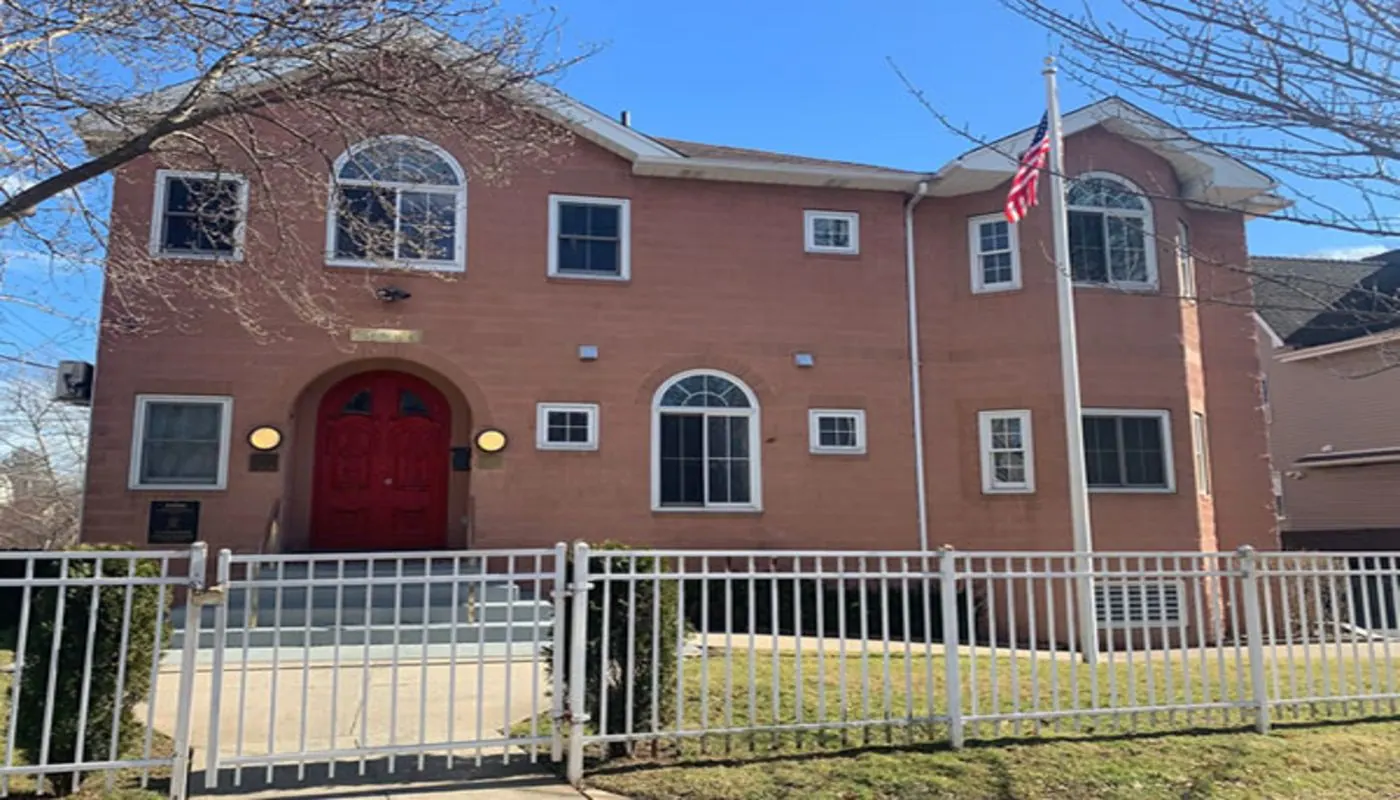
The Jewish Board's Staten Island Counseling Center offers outpatient services covering substance use and mental health. Across New York City, it is one of 192 SAMHSA-listed facilities. The center is located at 1765 South Avenue.
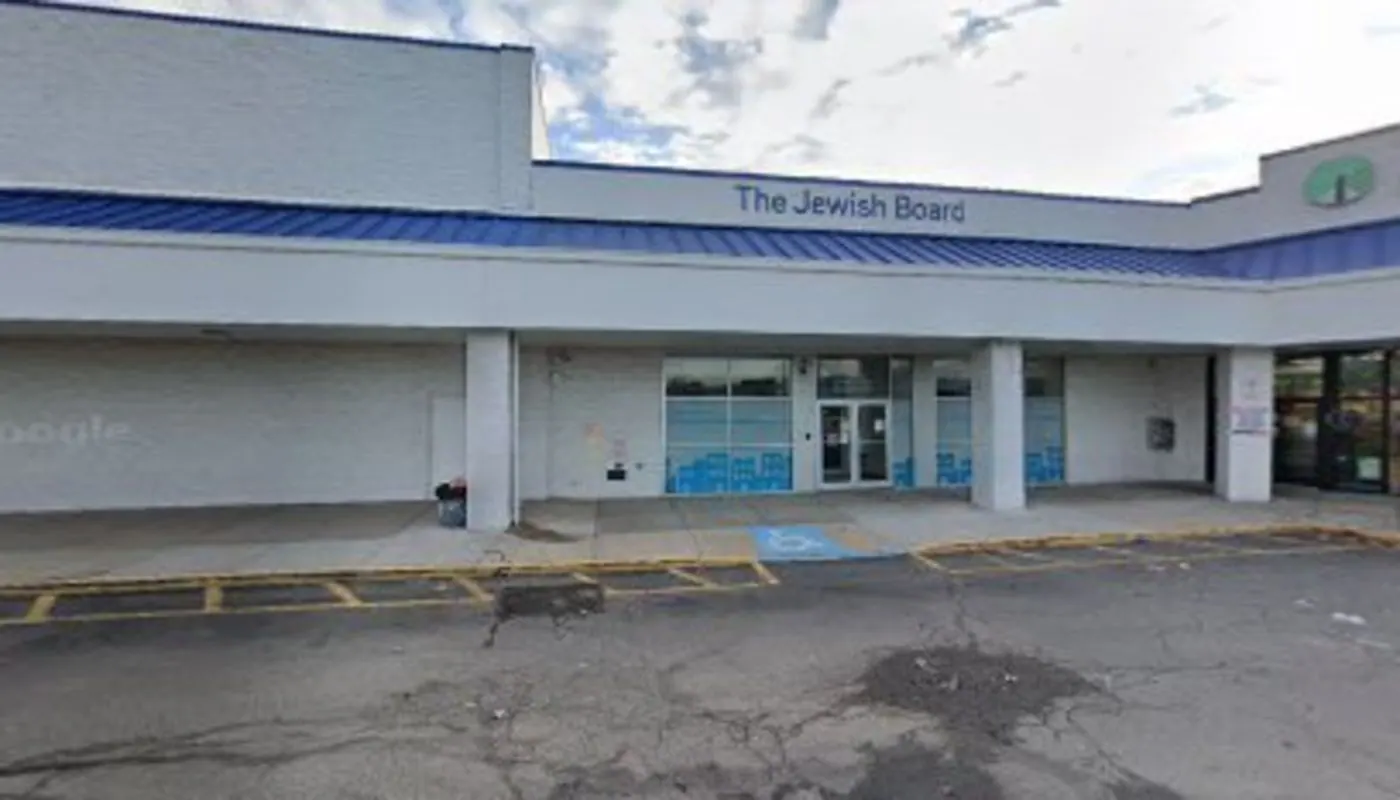
The Jewish Board, an agency established in 1874, operates this Staten Island location and supports people of all ages with emotional, behavioral, and social difficulties. At the Morris Black Counseling Center, integrated mental health programs serve individuals, families, and groups, and children and adults are welcome no matter their background or whether they can pay. This center counts among over 100 beneficiary agencies within the UJA-Federation network, something to keep in mind as you look at New York City programs.
Its approach draws on several therapies to fit each person's needs, helping people build coping skills, strengthen relationships, and manage mental health in a supportive setting. Psychiatric evaluations and medication-assisted treatment are also part of what the center lists. Staff at this Staten Island center speak English, Spanish, Russian, Haitian Creole, and several other languages, so language should not be the reason you delay a call.
The whole community is welcome, and that includes people on active duty and those who have served. Because care is integrated, mental health and substance use get attention together instead of through disconnected services. For veterans in Staten Island, mention that you served when you phone and ask what support exists for veterans, as the center names this group among those it focuses on.
Programs at Jewish Board Staten Island
The level of care listed at the center is outpatient, and typical programming spans 5 days. That brief window suits its model: you go to structured sessions, then head home, and the treatment plan is shaped around your situation and diagnosis. This is one of 192 SAMHSA-listed facilities in New York City, so comparing a few outpatient programs before deciding makes sense.
The listing shows individual counseling, cognitive behavioral therapy, dialectical behavior therapy, and eye movement desensitization and reprocessing among its therapies. Options also include family therapy, group therapy, life skills, nutrition counseling, and online therapy, and psychiatric evaluations plus medication-assisted treatment are available. Should someone need more than weekly outpatient visits, the center ought to say so plainly and direct you to more intensive choices, so ask about this early. The program directory lists Suboxone and other medication support under opioid use treatment, which matters if you are thinking about medication alongside counseling.
- Eye Movement Therapy (EMDR)
- Cognitive Behavioral Therapy
- 1-on-1 Counseling
- Online Therapy
- Nutrition Counseling
- Life Skills
- Dialectical Behavior Therapy
- Family Therapy
- Evidence-Based
- Group Therapy
Who the Staten Island center serves
- Adolescents, children, and young adults
- Adults, older adults, and veterans
- Couples and families
- Men and women seeking outpatient care
- People dealing with a mental health condition together with a substance use disorder simultaneously
- People who need services in a language other than English
Setting and location for Jewish Board
You can find the center at 1765 South Avenue, Staten Island, NY 10314, in New York City. Its services are outpatient, meaning people come in for sessions and return home instead of staying overnight. Since this center is outpatient only, anyone needing detox or round-the-clock monitoring requires a different level of care, and the referral line can help you locate one. The environment is intended to feel supportive and restorative, and the staff speak multiple languages so a wider part of the community can be served.
Paying for care there for Jewish Board
The center says payment ability is not a barrier to being served, and its cash pay rates appear in the listing. **Many outpatient behavioral health services fall under New York's Medicaid program, so if Medicaid is your coverage, ask the center to verify your plan and any copay ahead of your first appointment rather than afterward.** We are an information site with a referral phone line and cannot confirm coverage or admission. What you owe can also depend on private insurance and the federal parity law, so find out from the center how it bills mental health visits and substance use visits alike.
Things to ask the center
- What outpatient schedules fit around work or school, and how many sessions a week?
- Do you offer medication-assisted treatment for opioid use, and who manages the prescriptions?
- Which languages can staff provide care in, including interpreters?
- How is addiction and mental health care coordinated for co-occurring conditions?
- What payment options or reduced-cost rates do you offer?
- If my needs exceed outpatient care, then who helps me find a higher level of care?


Other centers around Staten Island
-

Staten IslandNY
South Beach Addiction Treatment Center
1.8/577 Google reviews
Typical stay 30 days16-30 beds
Adults can receive residential care at South Beach Addiction Treatment Center on Staten Island.
- Residential Rehab
-
Staten IslandNY
YMCA Counseling Service
2.6/57 Google reviews
Typical stay 30 days
On Staten Island, YMCA Counseling Service - South Shore Center offers outpatient help for substance use and co-occurring disorders.
- Co-Occurring Mental Health
- Outpatient
-
Staten IslandNY
Camelot
3.9/57 Google reviews
Typical stay 30 days
Camelot Staten Island is a men's residential rehab listed in New York City.
- Residential Rehab
-
Staten IslandNY
Camelot of Staten Island Outpatient
3.9/57 Google reviews
Typical stay 30 days
Camelot of Staten Island Outpatient Department provides outpatient substance use treatment.
- Outpatient
-
Staten IslandNY
Camelot
3.9/57 Google reviews
Typical stay 30 days
Camelot Staten Island NY is a residential rehab for men in New York City.
- Residential Rehab

Questions people ask
What is the typical program length at Jewish Board Staten Island?
According to SAMHSA-listed information, the usual program length is 5 days. That brief number reflects the outpatient model, in which people go to structured sessions and head home daily. Individual plans can last longer or include multiple visits, so before committing to a schedule, ask the center how many sessions per week your situation would involve.
Does Jewish Board Staten Island offer outpatient rehab in New York City?
Yes, outpatient care is the center's listed level of care. It is one of 192 SAMHSA-listed facilities in New York City, per 2026 data. Outpatient rehab here means living at home while attending counseling, which may include individual, group, and family therapy, so it suits people who do not need overnight monitoring.
What therapies are available at the Staten Island center?
The center's listed services cover one-on-one counseling, cognitive behavioral therapy, dialectical behavior therapy, and eye movement desensitization and reprocessing. Family therapy, group therapy, life skills, nutrition counseling, and online therapy are also offered, along with psychiatric evaluations and medication-assisted treatment. Staff shape the mix around each individual's needs, so during intake ask how your own plan would come together.
How can I pay for treatment at Jewish Board Staten Island?
The center says it serves people no matter their ability to pay, and cash pay rates are listed. For insurance questions, Medicaid included, contact the center to confirm which plans it accepts and what you would owe. We are an information and referral service, so we cannot guarantee coverage or admission, but our phone line takes referrals around the clock.
Is Jewish Board Staten Island the same as the main New York City rehab listings?
No. This is one counseling center in Staten Island, while other New York City drug rehab programs and inpatient centers appear separately in the broader listings. If you need residential care or detox, then compare those programs directly, since this site provides outpatient services only and may not match every level of care.