LifeStance Health New York NY
LifeStance Health New York NY is an outpatient practice at 150 Broadway in Lower Manhattan. The city lists 192 SAMHSA-listed treatment facilities across its five boroughs. Therapy, psychiatry, and family sessions share one address.
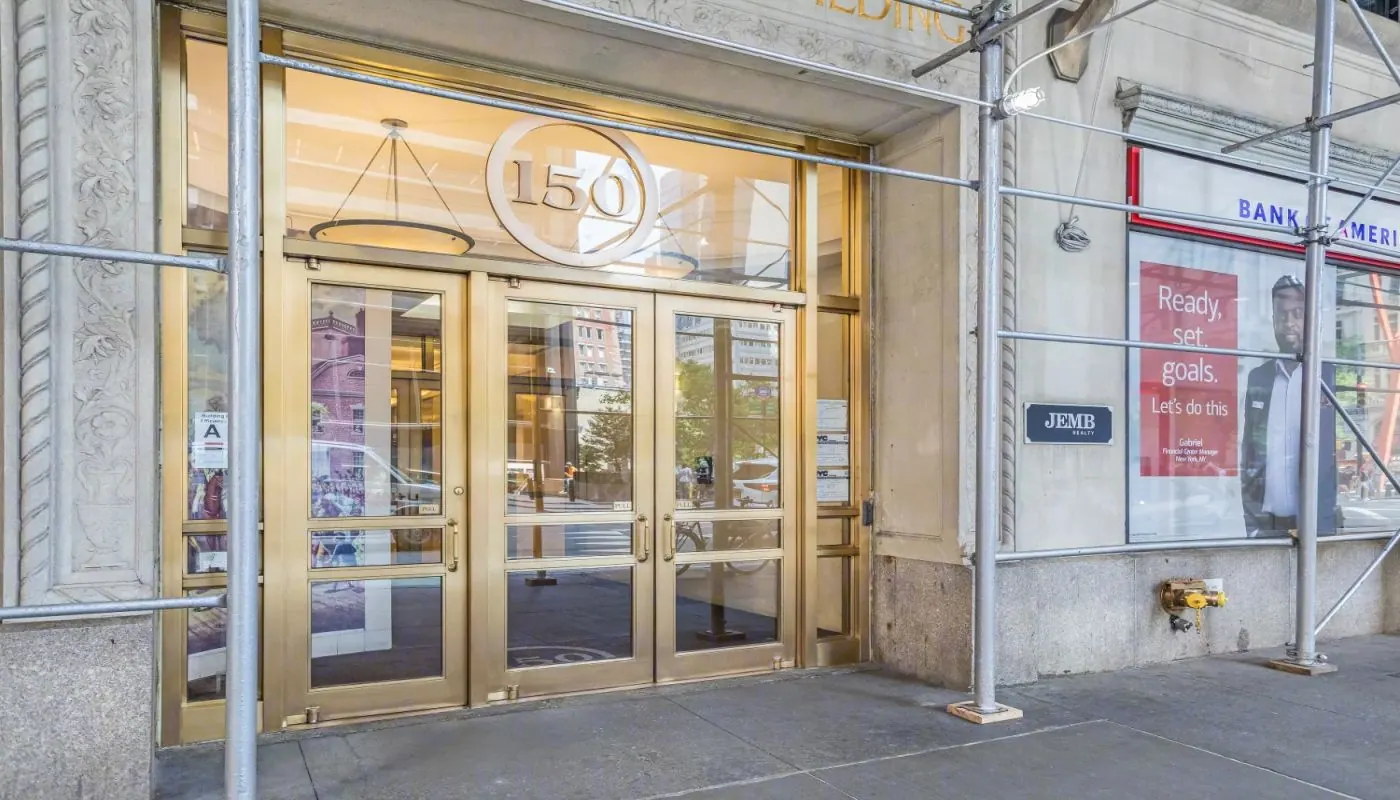
LifeStance Health New York - Broadway is an outpatient practice, not a residential facility, so people come in for scheduled sessions and go home afterward. This Broadway outpatient center offers therapy and psychiatry for many ages in New York City, and it names adolescents, couples, men, women, and neurodivergent clients among the groups it serves, alongside children and adults.
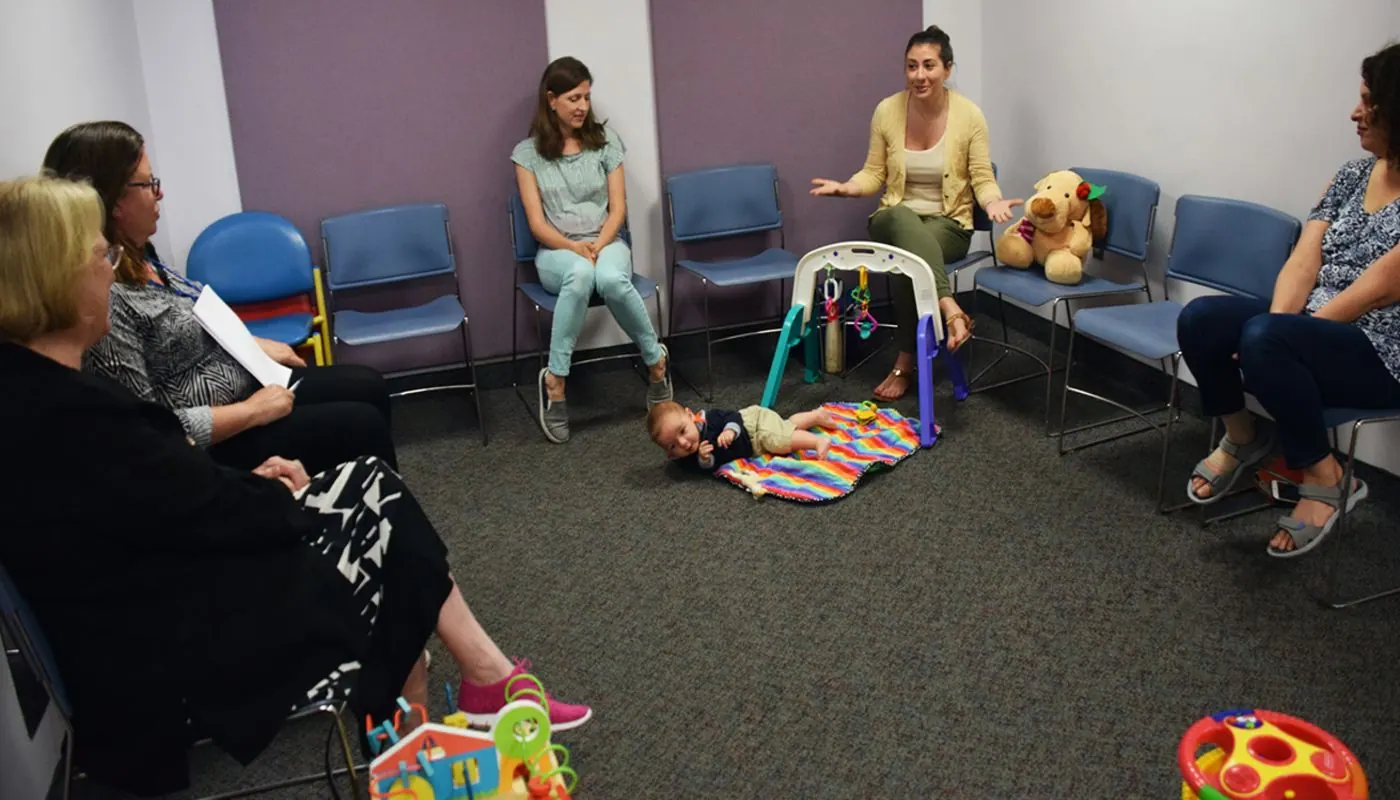
Staff at this LifeStance Health location in New York include psychiatrists, nurse practitioners, and therapists holding master's degrees. Each clinician concentrates on specific mental health conditions and specific age groups. Sessions may take the form of individual therapy, work with couples, family sessions, or group therapy. Medication management is offered together with talk therapy. Care at this site generally lasts around 30 days.
Since the practice treats mental health conditions and substance use side by side, a person who drinks heavily or misuses drugs can have both concerns assessed in a single setting. Conditions named for treatment include anxiety, depression, bipolar disorder, post-traumatic stress disorder, obsessive compulsive disorder, schizophrenia, and perinatal mental health, as well as grief and loss.
Staff also work with people who want virtual sessions, one of the specializations the center lists. Someone living outside Lower Manhattan can ask whether video appointments fit their situation. New York City virtual options let clients keep care going between office visits across the city, which helps when a commute or a work schedule gets in the way of weekly appointments.
Outpatient programs on Broadway
The center's care level is outpatient, meaning no overnight stay and no on-site detox. People with a substance use disorder are typically seen through therapy sessions, sometimes combined with medication management, and visits are scheduled around the rest of life. Outpatient treatment in New York City fits people who can attend sessions while living at home, and it can also follow a more intensive stay elsewhere.
The therapies available include individual counseling, cognitive behavioral therapy, acceptance and commitment therapy, and family therapy. Group therapy and narrative therapy are offered too, along with solution focused, goal-oriented therapy, trauma-specific therapy, and adult-child therapy. Staff characterize their approach as evidence-based and involving family.
Since care here is outpatient, withdrawal and detoxification are not managed on site. If a person has been drinking heavily or using drugs every day, a clinician can help determine which level of care should come first. Drug rehab in New York City often begins with an assessment before therapy starts, and this location can serve as a starting point for that discussion rather than a setting for medical stabilization.
- Individual Treatment
- Evidence-Based
- Cognitive Behavioral Therapy
- Adult-Child Therapy
- 1-on-1 Counseling
- Group Therapy
- Family Involvement
- Acceptance and Commitment Therapy (ACT)
- Trauma-Specific Therapy
- Solution Focused, Goal-Oriented Therapy
Who LifeStance Health New York serves
- Children and adolescents, along with adults and older adults
- Couples and families seeking therapy together
- Men and women, seen individually or in groups
- Neurodivergent clients, including boys and girls
- People with anxiety, depression, bipolar disorder, or OCD
- People working through trauma, grief, or perinatal mental health concerns
The Broadway setting in Lower Manhattan
The office at 150 Broadway is in the Financial District, a short walk from several subway lines serving Lower Manhattan. Rooms are air conditioned, and the space includes armchairs or sofas and a recreation room. Sessions are held in person or virtually, and staff speak English, Spanish, and Tagalog. New York City location matters here, since the practice sits on Broadway in Manhattan, which makes it reachable for people across the borough and beyond.
- Armchair or Sofa
- Air-Conditioned Rooms
- Recreation Room
Paying for care in New York
The center lists a private-pay option with cash rates, and its own description says it works with most major insurance providers, including Aetna, Cigna, Humana, and Optum. Insurance is not the same as free care, so it is worth asking what your plan covers before the first appointment. If a plan covers outpatient visits, then the cost per session usually drops, so check benefits before scheduling. For people with lower incomes, New York's Medicaid program may be an option, and the state's parity rules can affect mental health coverage.
Questions to ask the center in New York
- Does this location take my insurance, and what will each session cost me?
- Is it possible to get care for both a mental health condition and a substance use disorder?
- How long does the usual course of outpatient care last?
- Are virtual appointments available if I cannot come to Broadway?
- Do you have clinicians who speak Spanish or Tagalog?

Other centers around New York
-
New YorkNY
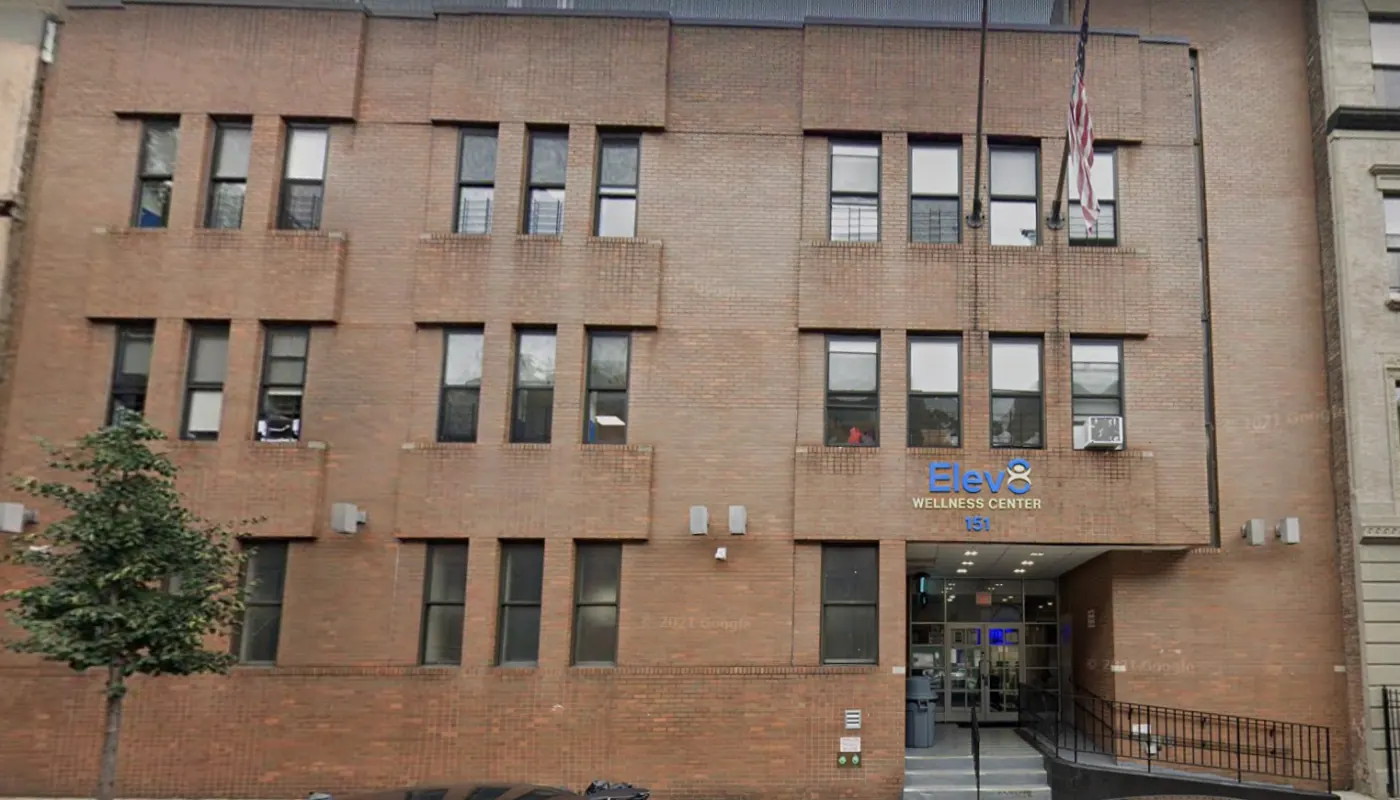
Elev8 Centers of New York
4.6/5109 Google reviews
Typical stay 30 days
Elev8 Centers of New York is a detox and residential program in Manhattan.
- Residential Rehab
- Detox
-

New YorkNY
William Alanson White Institute
4.2/59 Google reviews
Typical stay 30 day
On the Upper West Side, William Alanson White Institute Clinical New York provides outpatient therapy.
- Co-Occurring Mental Health
- Outpatient
-
New YorkNY
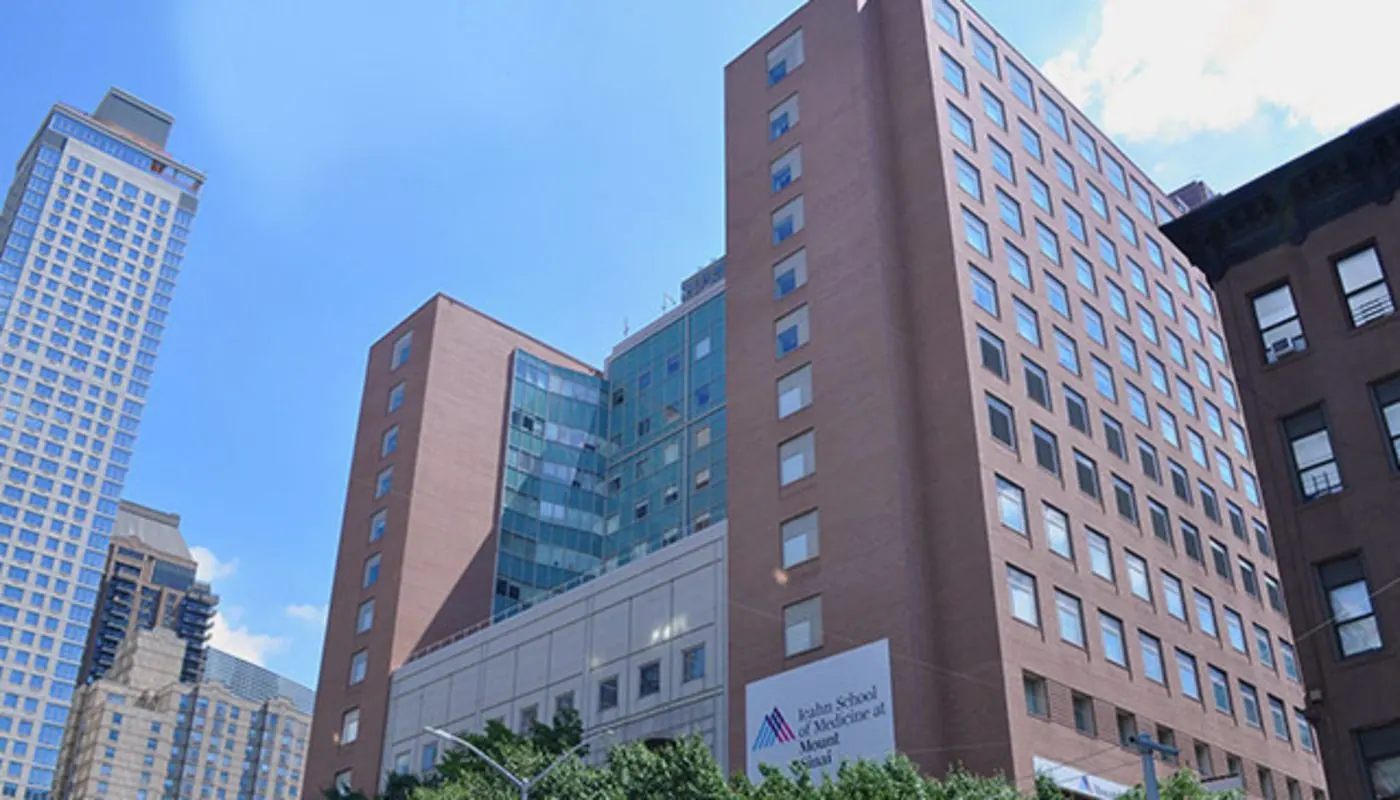
Addiction Institute at Mt Sinai West
3.1/520 Google reviews
Typical stay 7 days
This page covers the Addiction Institute at Mt Sinai West Inpatient Detoxification Unit on 10th Avenue.
- Residential Rehab
- Detox
- Outpatient
Joint Commission accreditation View center
-
New YorkNY
Center for Comprehensive Health
3.9/543 Google reviews
Typical stay 5 days
This East Harlem center offers substance use and mental health outpatient treatment.
- Outpatient
-
New YorkNY
Mount Sinai Beth Israel Medical Center
3.8/54 Google reviews
Typical stay 30 days
Located on Rivington Street in Manhattan, Mount Sinai Beth Israel Medical Center New York is a rehabilitation hospital.
- Co-Occurring Mental Health
- Residential Rehab
- Detox
Joint Commission accreditation View center
-
New YorkNY
Amen Clinics New York
4.3/5226 Google reviews
Typical stay 30 days
Amen Clinics New York is an outpatient clinic on East 45th Street.
- Co-Occurring Mental Health
- Outpatient

Questions people ask
Is LifeStance Health New York NY an inpatient or outpatient program?
The setting is outpatient only. People attend scheduled appointments and then go home, and a usual program runs roughly 30 days. With no overnight beds, it is not suited to medical detox or withdrawal monitoring. If someone requires round-the-clock care, staff can talk through a referral, and the city lists 192 SAMHSA-listed facilities overall.
What types of rehabs are there for people deciding on care?
Broadly, options run from outpatient visits like those at this Broadway center to residential programs with overnight stays and medically monitored detox. Matching the level of care to the person matters more than the label. Someone with mild symptoms may do well with weekly therapy, while daily heavy drinking usually calls for an assessment before an outpatient plan starts.
What are some IOP treatment centers in New York City, and is this one of them?
LifeStance Health New York lists outpatient care rather than a named intensive outpatient program, so it is worth asking directly whether a more frequent track exists. Intensive outpatient programs usually meet several times weekly for a defined number of weeks. If that intensity is what you need, the center can explain what it offers or direct you to other programs in Manhattan.
What is the current state of the drug problem in New York?
As of late 2026, the city lists 192 facilities on SAMHSA FindTreatment.gov, a sign of steady demand for care across the five boroughs. Outpatient practices like this one exist alongside detox and residential options, and mental health and substance use frequently call for combined treatment. If you are not sure where to start, a brief call can help narrow the options.
How long do you stay in inpatient rehab compared with outpatient care here?
Inpatient rehab usually lasts a few weeks to a few months, depending on the person and the program, while outpatient care at this Broadway practice runs about 30 days. The setting differs more than the calendar. Inpatient means overnight stays and monitoring, and outpatient means scheduled visits at home. If you are unsure which fits, an assessment settles it faster than guessing.