NYC Health + Hospitals New York NY
NYC Health + Hospitals New York, NY is a major provider of behavioral health care. The Metropolitan Hospital campus is located at 1901 1st Ave, in a city with 192 SAMHSA-listed facilities. This page covers what the center offers and how you can check your options.
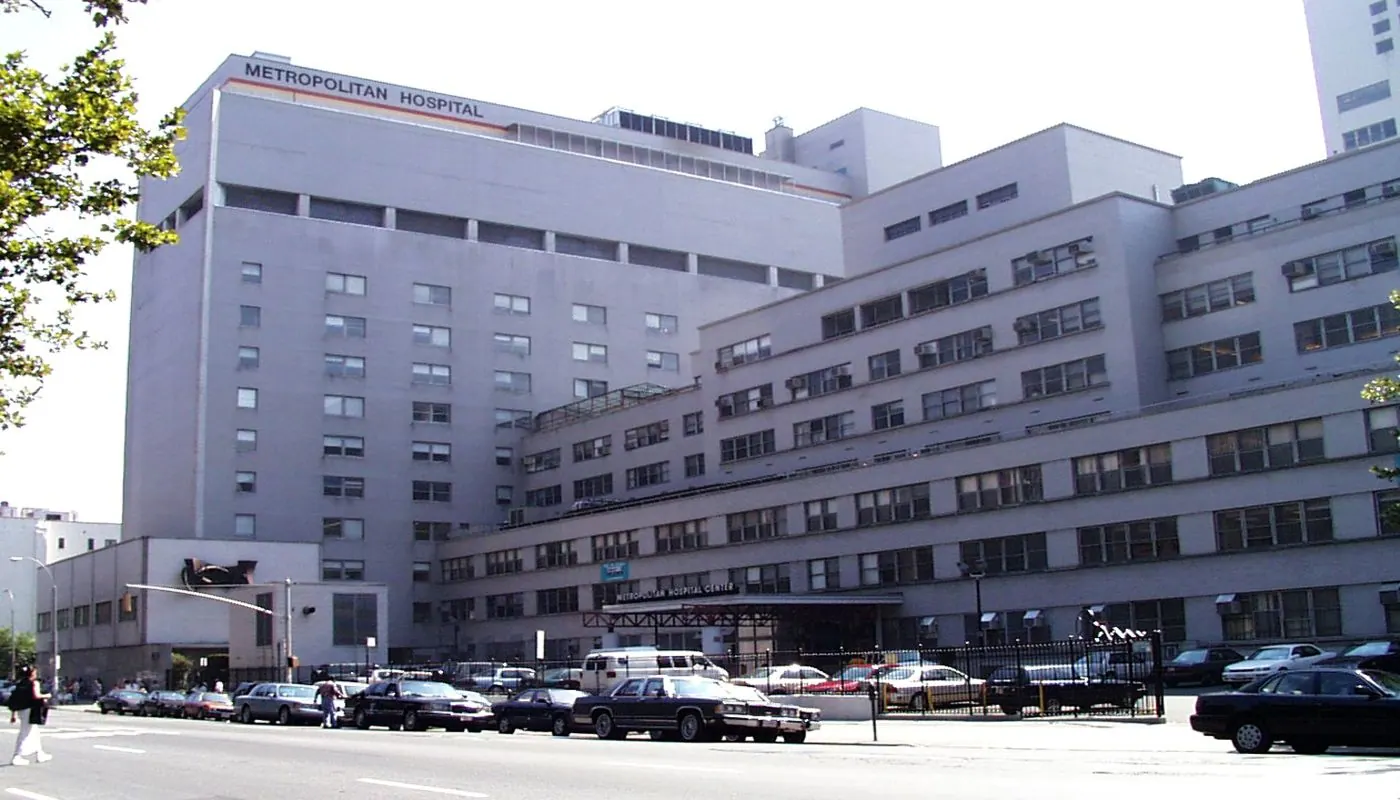
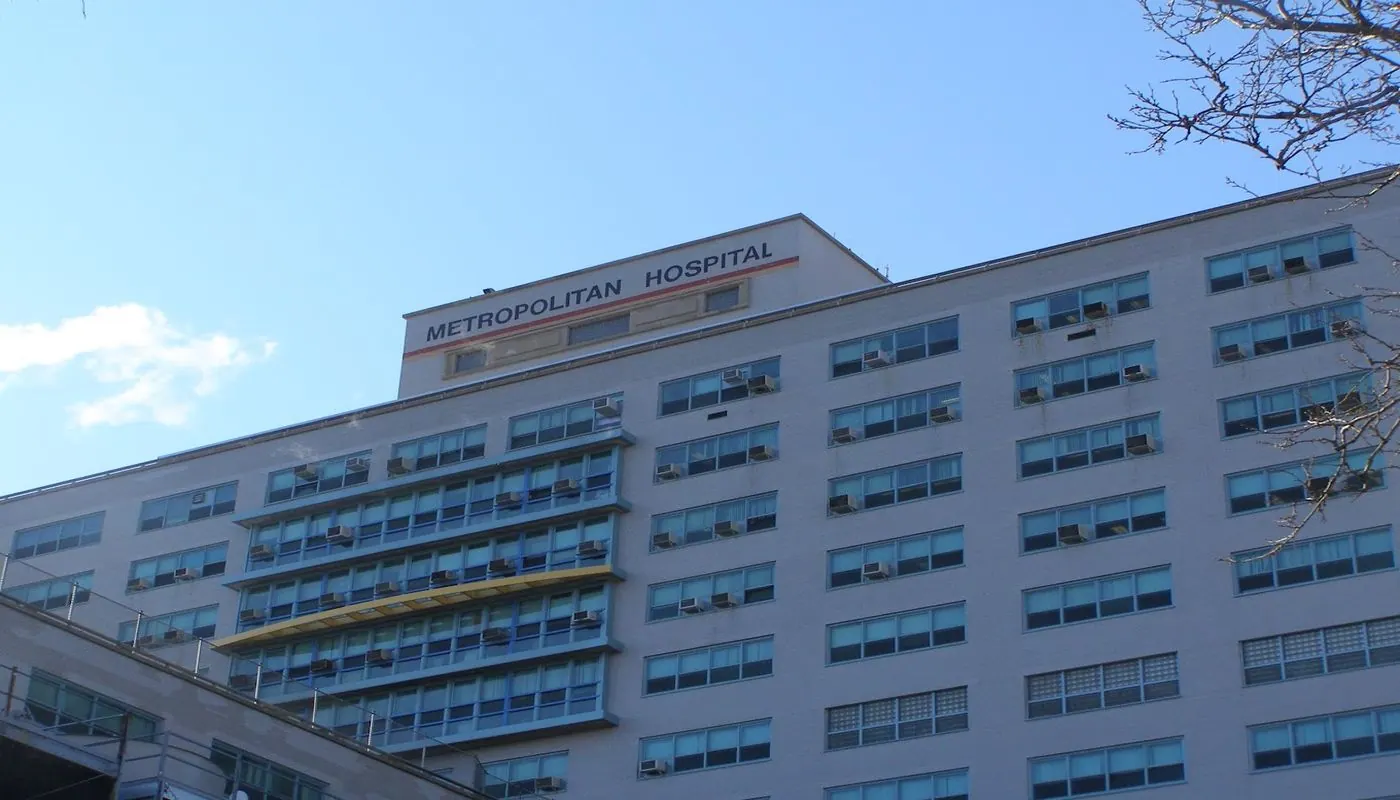
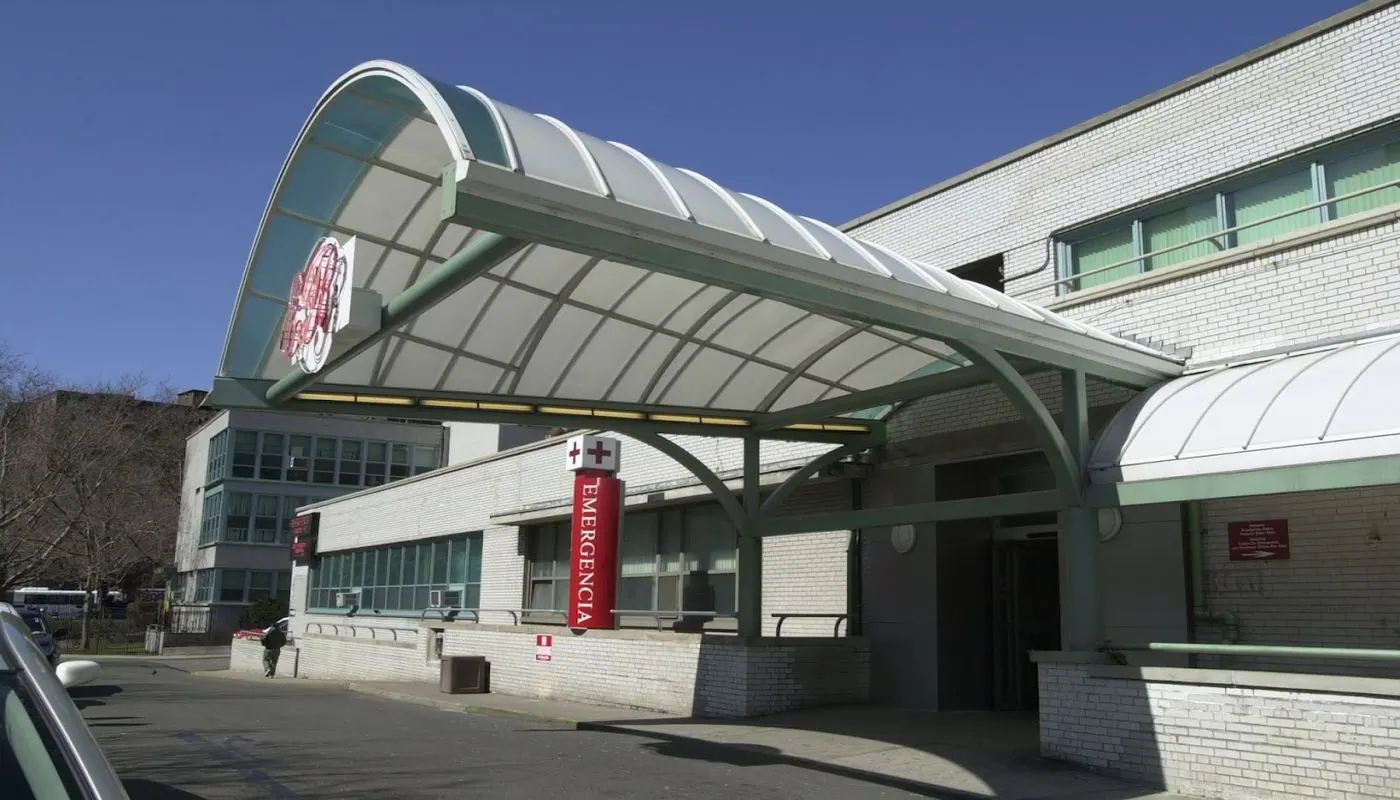
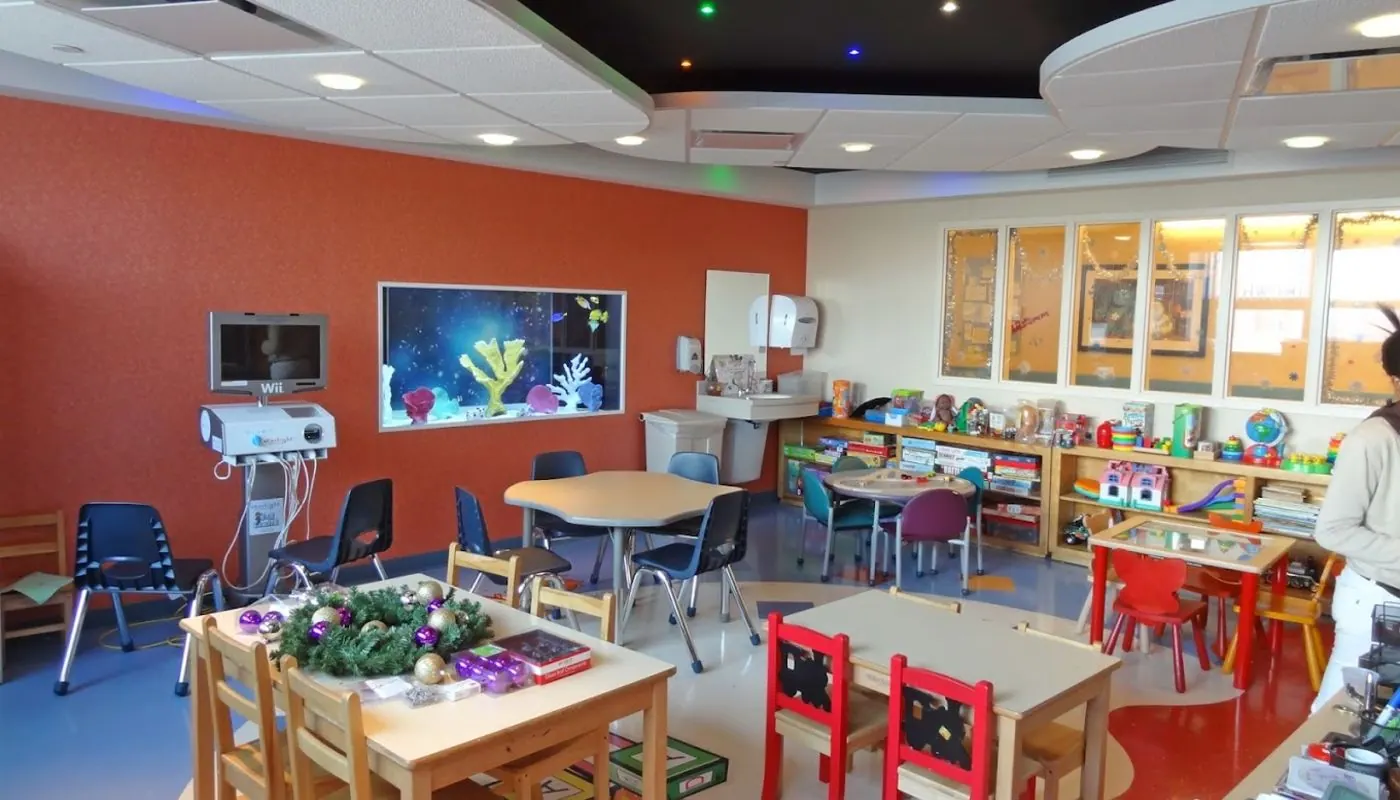
One of New York City's larger behavioral health programs belongs to NYC Health + Hospitals - Metropolitan Hospital, whose services fill a full pavilion in Manhattan on First Avenue. Young children, teenagers, and grown-ups all come here for help with emotional, psychiatric, or substance-related conditions. Access guides the design: beds for admitted patients, clinics for visits, emergency care, and teams working in the community are gathered within a single health system.
The hospital has been around since 1875, which gives it a long institutional history inside the city's public health network. Its substance use work is described as individualized, so the plan you get is built around your diagnosis and situation rather than a fixed script. Clinicians help people learn practical recovery skills and connect with others in a setting designed to feel restorative.
Because the center is part of NYC Health + Hospitals, its services are oriented toward a broad public, including people who rely on Medicaid or who need Spanish-language care. English and Spanish are both listed. If you are weighing this center against a private program elsewhere, the main difference is usually the intake path and how you pay, not the basic menu of therapies.
What Metropolitan Hospital offers
The center's listed level of care is outpatient, with a typical program length of five days, so ask what follow-up looks like in New York City. That shorter window fits people who need evaluation, stabilization, or a bridge into ongoing care rather than a long residential stay. The hospital's broader behavioral health operation also includes inpatient psychiatric units, so someone who needs 24-hour care may be stepped into that side of the house after an assessment.
Counseling at the center covers individual sessions, cognitive behavioral therapy, group work, and family therapy. Life skills training completes the lineup, which counts for people rebuilding daily routines after a stretch of heavy drinking or drug use. Five days is a short typical program length, so ask at intake what day six looks like and where follow-up is handled.
- Cognitive Behavioral Therapy
- Family Therapy
- Life Skills
- Evidence-Based
- Individual Treatment
- 1-on-1 Counseling
- Group Therapy
Who Metropolitan Hospital serves
- Adolescents, children, and adults, including boys and girls in the youth programs.
- Both men and women, with services listed for each.
- People facing co-occurring conditions involving mental health and substance use.
- Neurodivergent individuals, with neurodiversity named among the conditions treated.
- People dealing with anxiety, depression, bipolar disorder, trauma, or post-traumatic stress disorder.
- Spanish-speaking patients, since Spanish is listed alongside English.
The setting at Metropolitan Hospital
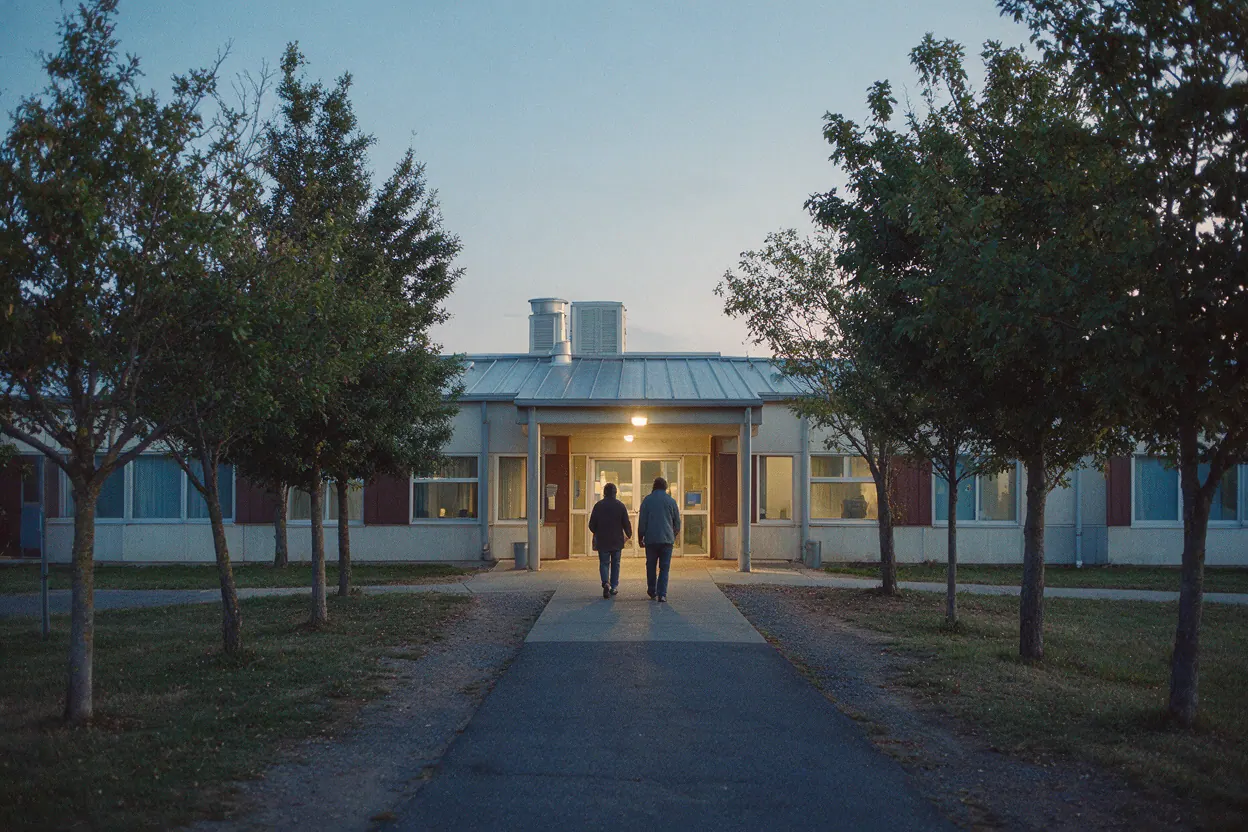
The 14-story behavioral health pavilion on First Avenue in Manhattan is where care happens, and New York City patients there have access to amenities such as a fitness center and an outdoor lounge. These features say more about the inpatient setting than about outpatient clinics, so ask what is available to you given the level of care you are placed in. Traveling from outside Manhattan, the First Avenue address is simplest to get to by subway or bus, and it is worth confirming which entrance takes walk-in evaluations before you arrive.
- Salon
- Outdoor Lounge
- Fitness Center
Paying for care at Metropolitan Hospital
Cash pay rates appear for this center, and the hospital belongs to the public health system, which generally means Medicaid plays a role for New York City residents. The posted payment details don't lay out every insurance arrangement, so ask the billing office straight out about your plan before booking an appointment. If you are weighing this center against the 192 SAMHSA-listed facilities in New York City, cost and network status typically decide it, not the therapy menu. For anyone on Medicaid, confirm that the particular clinic you get referred to takes your managed care plan, since that detail can shift where you are sent.
Questions to ask Metropolitan Hospital
- Does the five-day program include a written plan for continuing care?
- Which insurance plans and Medicaid managed care networks does the outpatient clinic accept?
- How do walk-in evaluations work, and what hours are they available?
- Can I request a Spanish-speaking clinician for intake and therapy?
- What is the difference between the outpatient clinic and the inpatient psychiatric units for someone with a substance use disorder?

Other centers around New York
-
New YorkNY
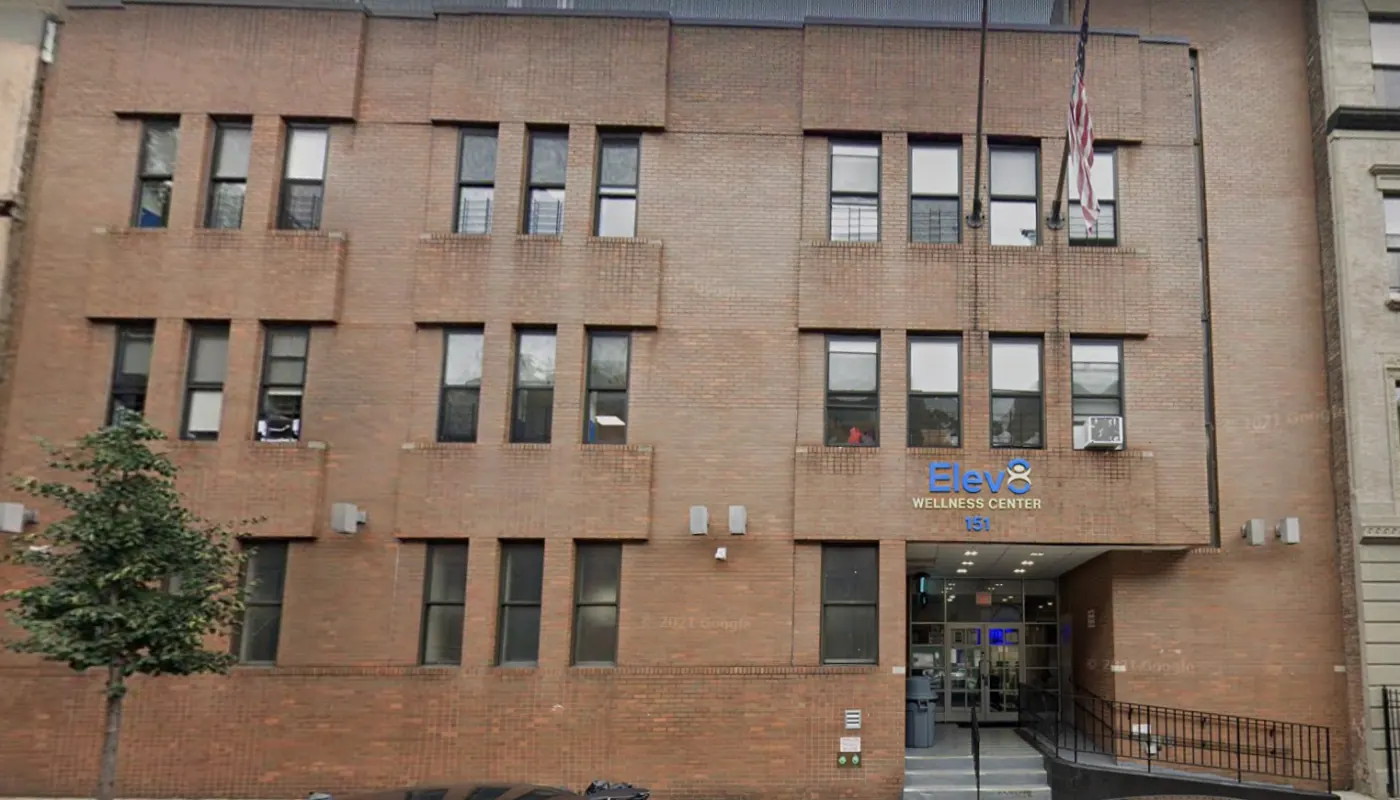
Elev8 Centers of New York
4.6/5109 Google reviews
Typical stay 30 days
Elev8 Centers of New York is a detox and residential program in Manhattan.
- Residential Rehab
- Detox
-

New YorkNY
William Alanson White Institute
4.2/59 Google reviews
Typical stay 30 day
On the Upper West Side, William Alanson White Institute Clinical New York provides outpatient therapy.
- Co-Occurring Mental Health
- Outpatient
-
New YorkNY
Addiction Institute at Mt Sinai West
3.1/520 Google reviews
Typical stay 7 days
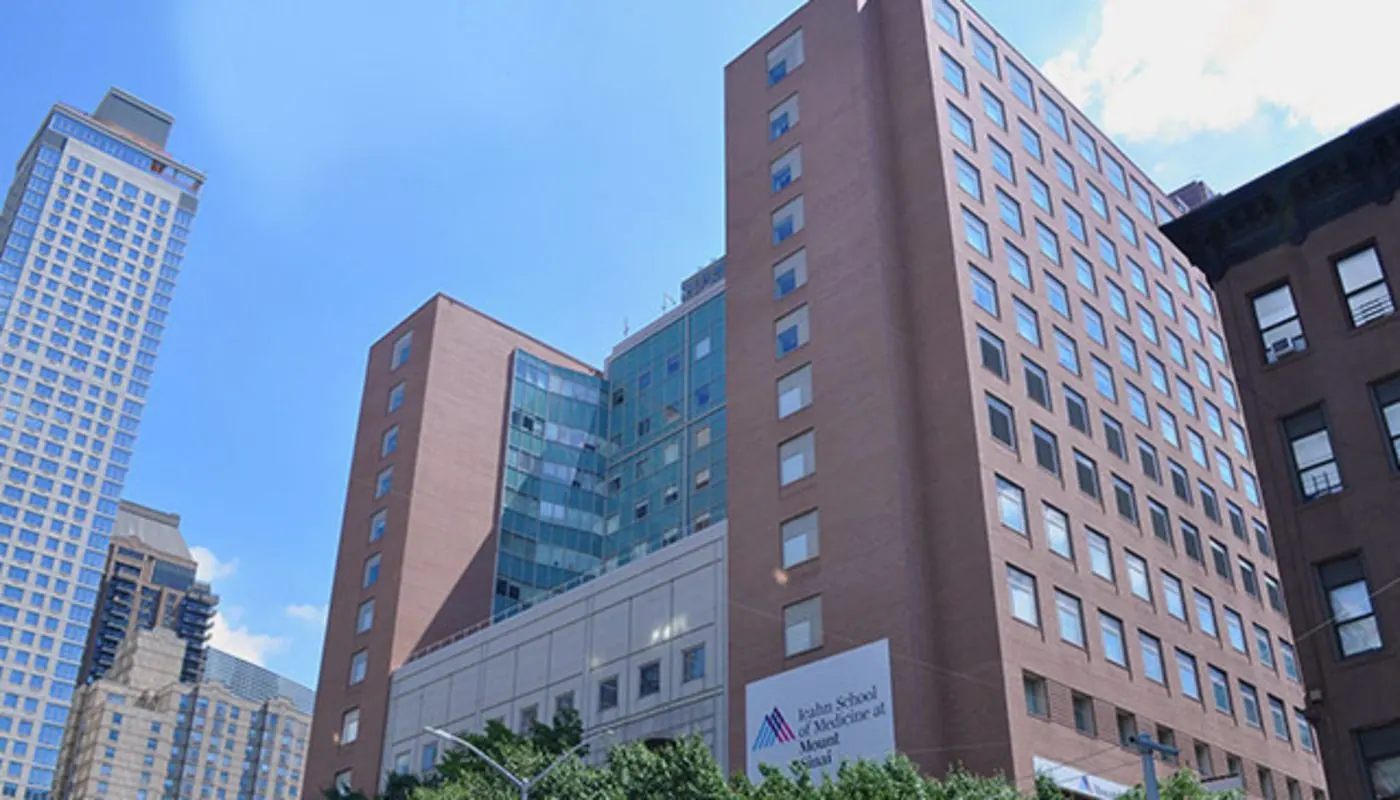
This page covers the Addiction Institute at Mt Sinai West Inpatient Detoxification Unit on 10th Avenue.
- Residential Rehab
- Detox
- Outpatient
Joint Commission accreditation View center
-
New YorkNY
Center for Comprehensive Health
3.9/543 Google reviews
Typical stay 5 days
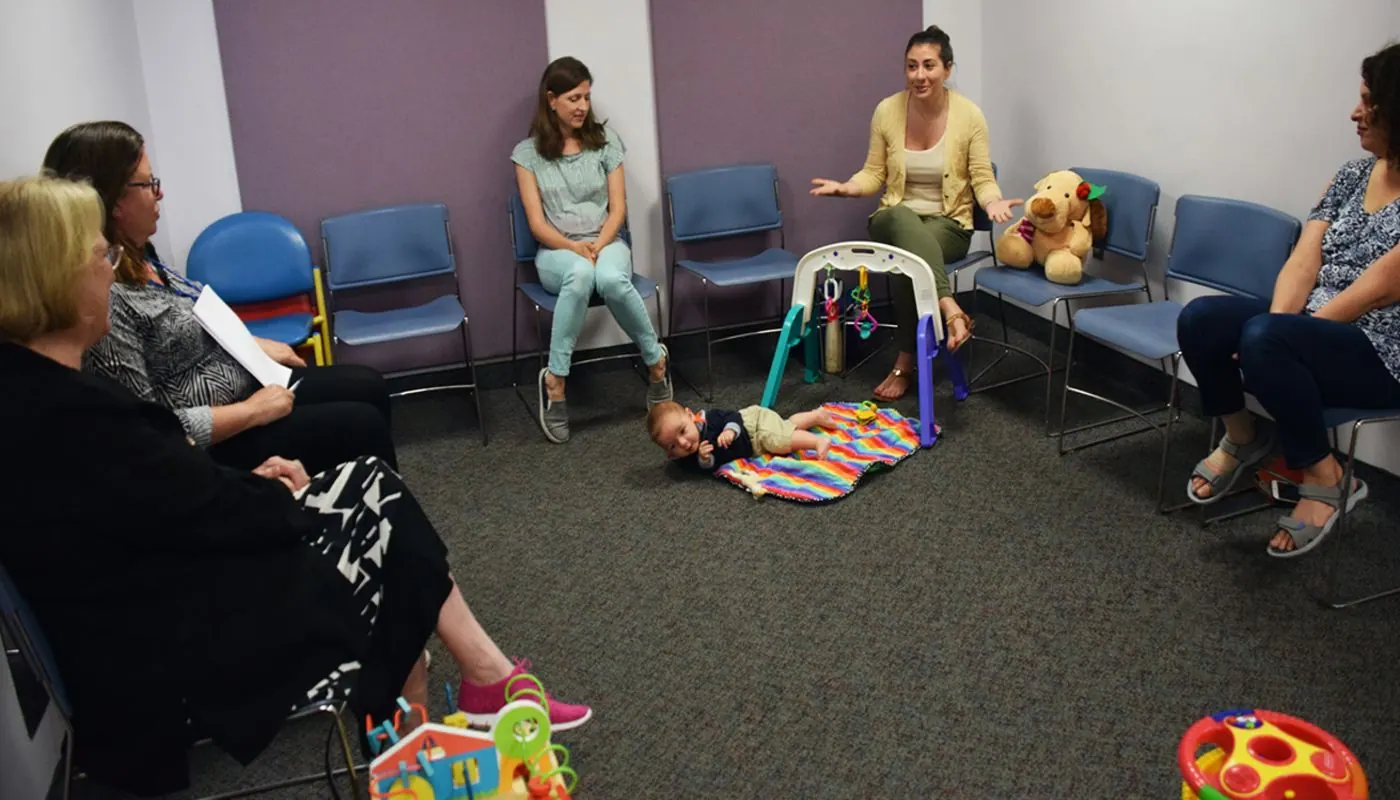
This East Harlem center offers substance use and mental health outpatient treatment.
- Outpatient
-
New YorkNY
Mount Sinai Beth Israel Medical Center
3.8/54 Google reviews
Typical stay 30 days
Located on Rivington Street in Manhattan, Mount Sinai Beth Israel Medical Center New York is a rehabilitation hospital.
- Co-Occurring Mental Health
- Residential Rehab
- Detox
Joint Commission accreditation View center
-
New YorkNY
Amen Clinics New York
4.3/5226 Google reviews
Typical stay 30 days
Amen Clinics New York is an outpatient clinic on East 45th Street.
- Co-Occurring Mental Health
- Outpatient

Questions people ask
What is NYC Health + Hospitals New York NY known for?
This Manhattan campus provides behavioral health care within the public health system, and Metropolitan Hospital operates one of the city's largest services of this kind. Outpatient care is the listed level of care, with a typical program length of five days, and children, adolescents, and adults are served. Co-occurring disorders alongside substance use are treated here as well.
Does Metropolitan Hospital offer detox or inpatient rehab?
The listed care option for this center is outpatient, so detox is not part of its stated profile. If you need withdrawal management, ask the hospital directly or check other SAMHSA-listed programs among the 192 facilities in New York City. Medically risky withdrawal is best assessed by a clinician before you choose a level of care.
How long does a typical stay at this center last?
The stated average program length is five days. That is brief next to residential rehab, which frequently lasts weeks. A five-day span generally covers assessment, first therapy sessions, and planning the next steps. Ask how follow-up is handled, since a short stay works best when it links to continuing outpatient care.
How can I find other rehabs in New York City?
The city has 192 SAMHSA-listed facilities, spanning inpatient, outpatient, and detox services. A helpline can steer you toward programs matching your insurance and location. When you call a program, ask about its level of care, the therapies it offers, and whether it treats co-occurring conditions, because those three details shape how your week actually goes.
Does Metropolitan Hospital offer outpatient programs in New York City?
Outpatient care is the option this center lists, and a usual schedule spans five days. Appointments and drop-in assessments are available, along with clinics for grown-ups and for young people, counseling for families, help with medications, and response in a crisis. Community-based teams run by the hospital serve people whose mental health needs are ongoing, so support continues beyond the building.